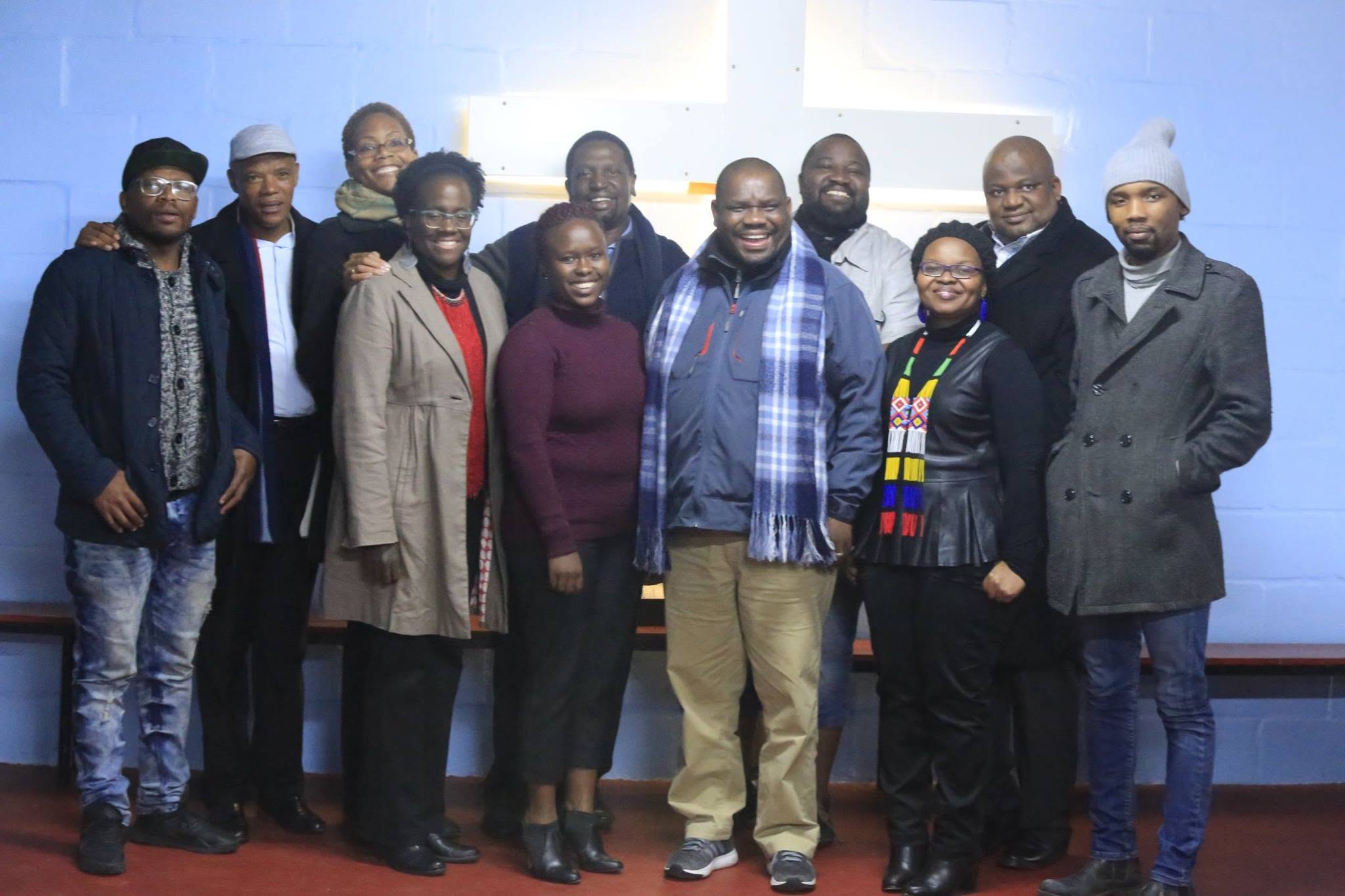
eKasi Theologies — theology from below
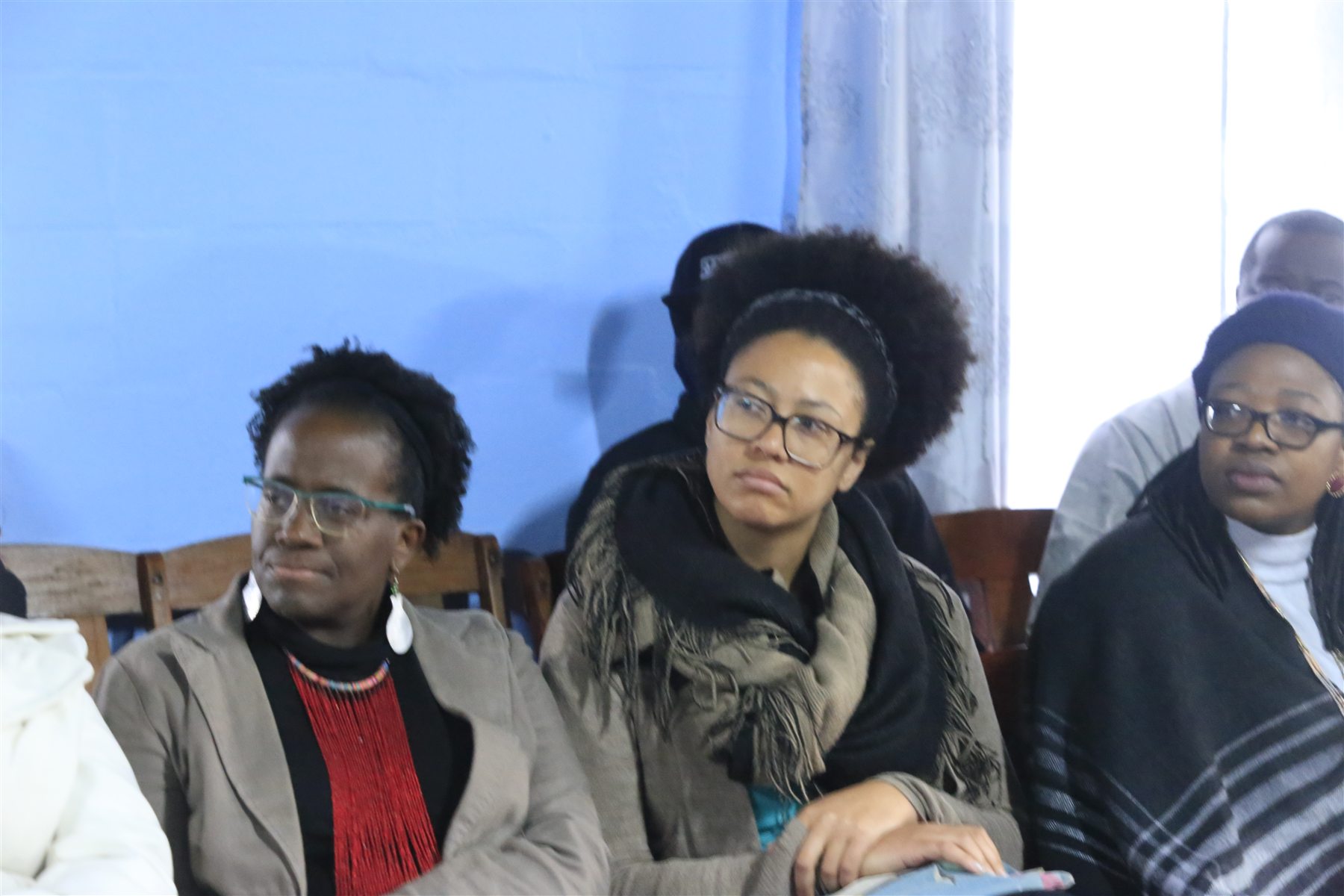
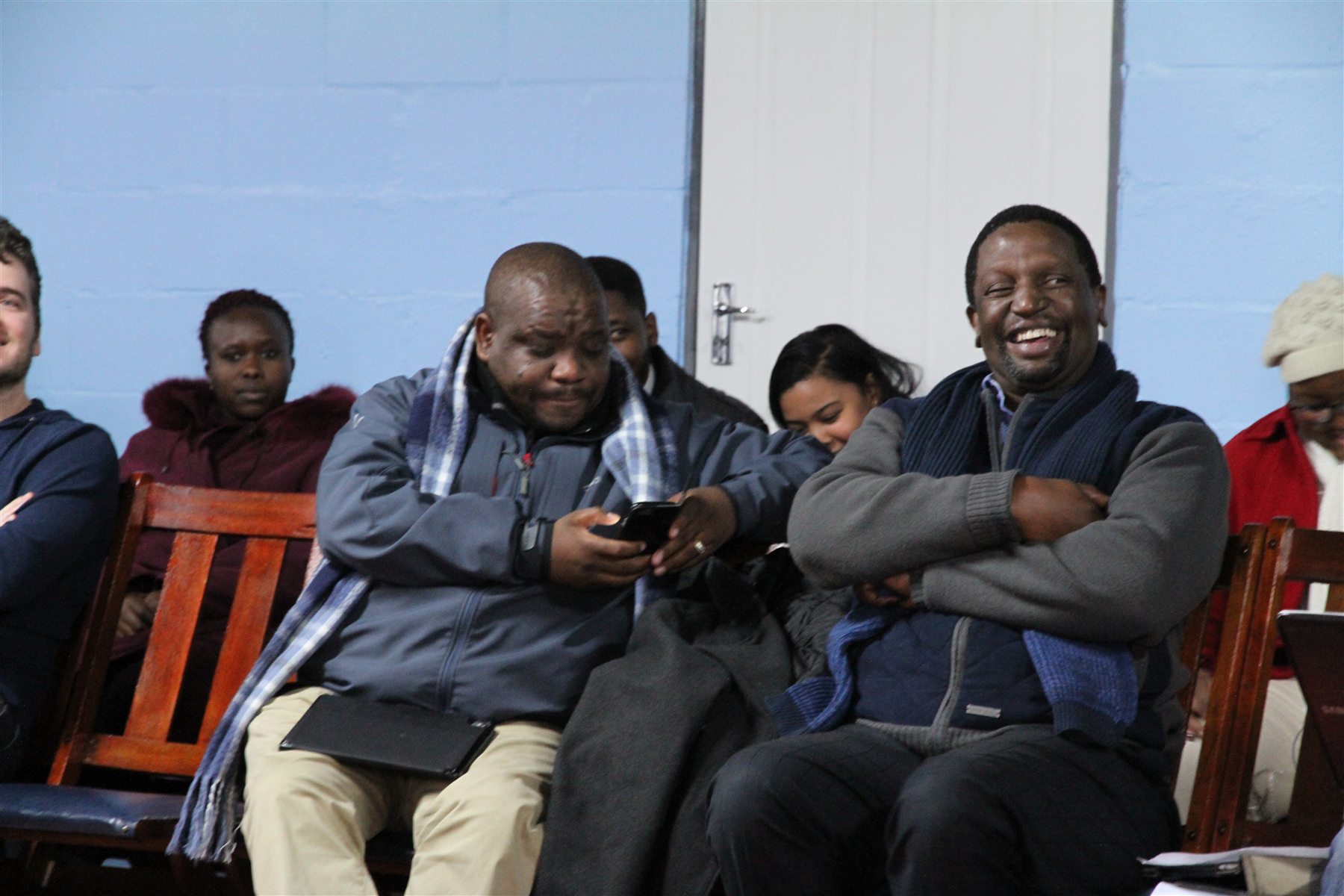
Black liberation✳Township as sacred text✳See · Judge · Act✳Human dignity
The starting point
Theologies made
answerable
to life.
The kasi is not a backdrop to theology. It is a primary sacred text.
eKasi Theologies is a community-rooted Black liberation theological movement from the margins of the Western Cape. We begin with lives shaped by dispossession, grief, survival, joy and hope.
Our questions return to the same demand: the full humanity of those pushed furthest to the margins.
Get to know eKasiWhat eKasi means
A place
made home.
eKasi means “in, to, or from the township.”
The word kasi comes through Tsotsitaal from the Afrikaans lokasie: “location.” The prefix e- places us in relation to the township. In everyday speech, that place can also carry the meaning of home.
Colonial and apartheid planning organised the township around Black labour while restricting Black people’s claims to land and the city. Its boundaries carried a political message: whose work was needed, and whose presence could be controlled.
People have made belonging, culture and community within those imposed boundaries. We call the kasi home while refusing the conditions that deny its people land, dignity and freedom.
For eKasi Theologies, this is where reflection begins: with the knowledge, faith, grief and resistance of people living these contradictions. Our name locates us within that life and makes us answerable to its demand for liberation.
Word origins: kasi / eKasi, Dictionary of South African English.
A living praxis
Start with
what is lived.
Reflection matters when it returns to life. Our praxis moves through three connected questions.
See.
Read the township’s geography, bodies, grief and hopes without looking away.
Judge.
Interrogate theology, power and history through the demands of justice and human dignity.
Act.
Build liberating practices, conversations and solidarities from below.
From the reading room
Stay with
the questions.
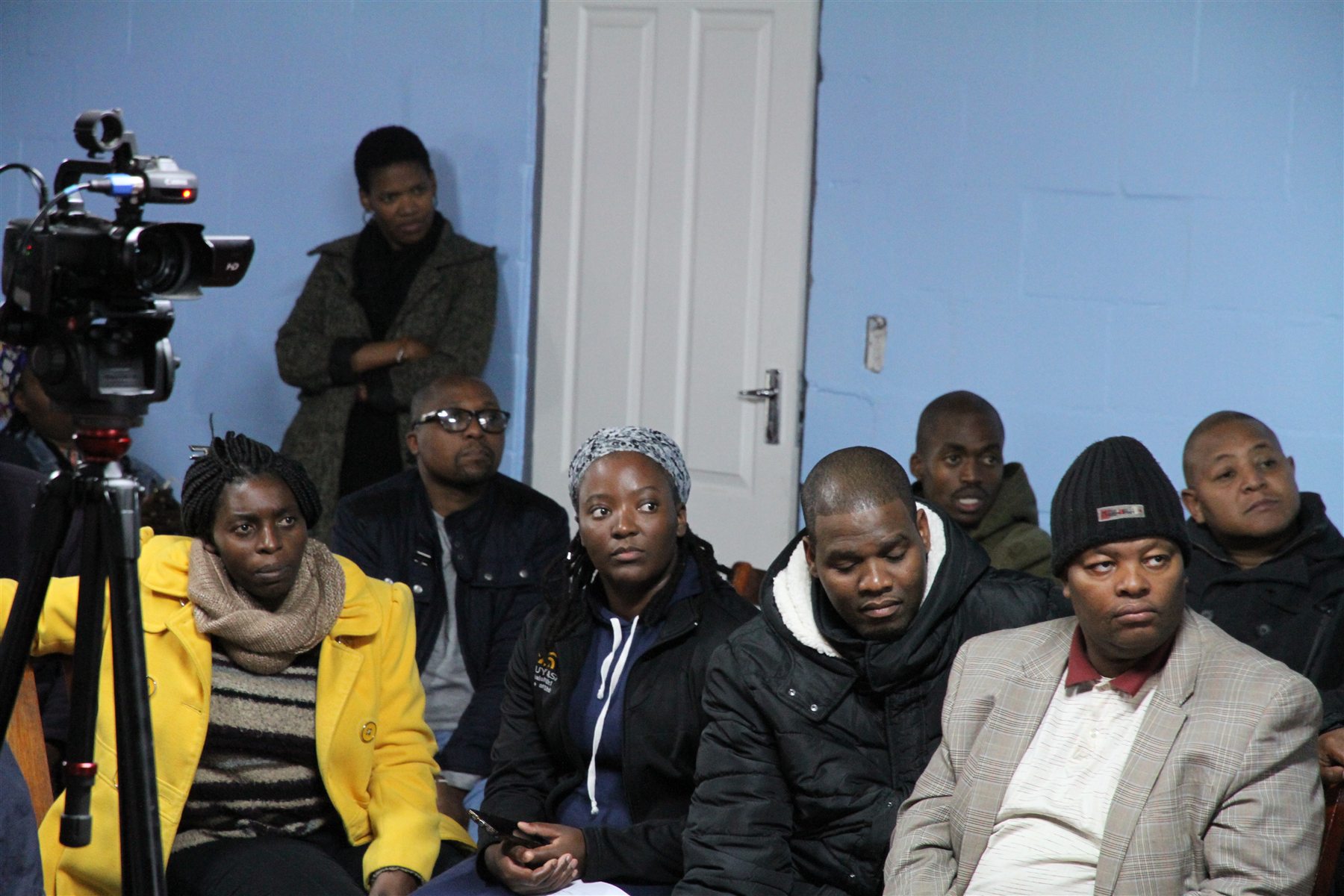
People, memory & gathering
We stand
with people.
We learn with people whose lives have been made marginal. Knowledge grows through encounter, memory, struggle and shared reflection.
Explore the visual archive Meet the people behind the work →Sithini na ke Ngoko?
What shall
we do then?
Bring your experience. Keep building a theology equal to the work of human liberation.