Our vision.
A world free from racial, economic and gendered oppression, where people in townships and informal settlements live with dignity, safety and belonging, and their knowledge shapes theologies of total human liberation.
What holds us together
A world free from racial, economic and gendered oppression, where people in townships and informal settlements live with dignity, safety and belonging, and their knowledge shapes theologies of total human liberation.
To create and sustain spaces for unsupervised theologies from eKasi, with those who bear the brunt of injustice as thinkers, interpreters and makers of knowledge. Through gatherings, shared reading, contextual Bible study and critical conversation, we connect lived experience with Black liberation and other liberating traditions. Our see–judge–act praxis confronts oppressive power and builds solidarities for dignity, material justice and total human liberation.
The people / Who are we?
eKasi Theologies was shaped by early proponents, critical mentors and many other contributors whose knowledge and presence continue to form the work.
Early proponents
Researchers and grassroots organisers who helped articulate this community-rooted intervention.

Early proponent · organiser
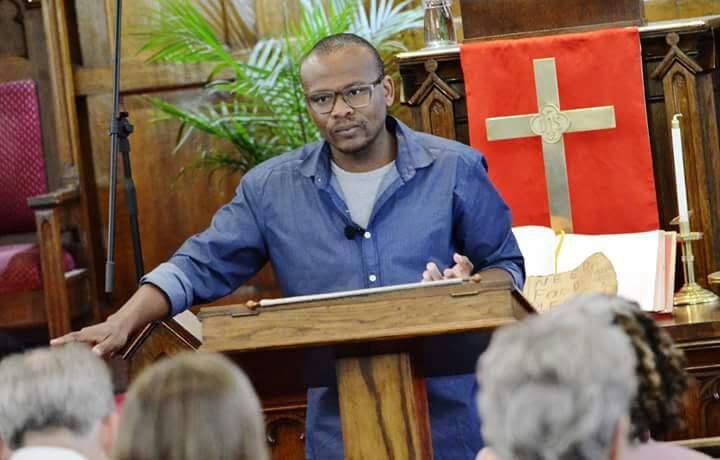
Early proponent · organiser

Early proponent · researcher
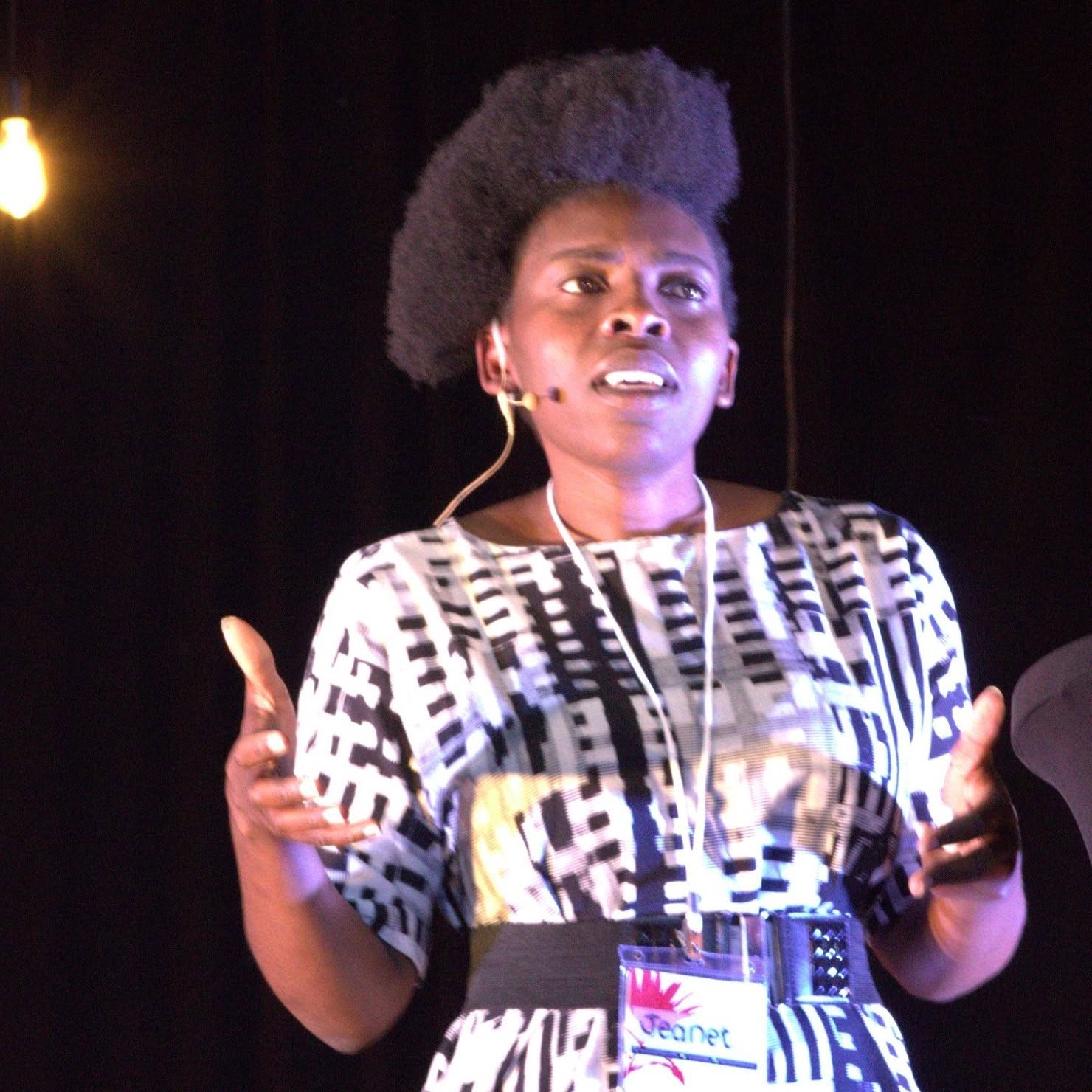
Early proponent · researcher
Early proponent · researcher

Early proponent · researcher

Early proponent · organiser
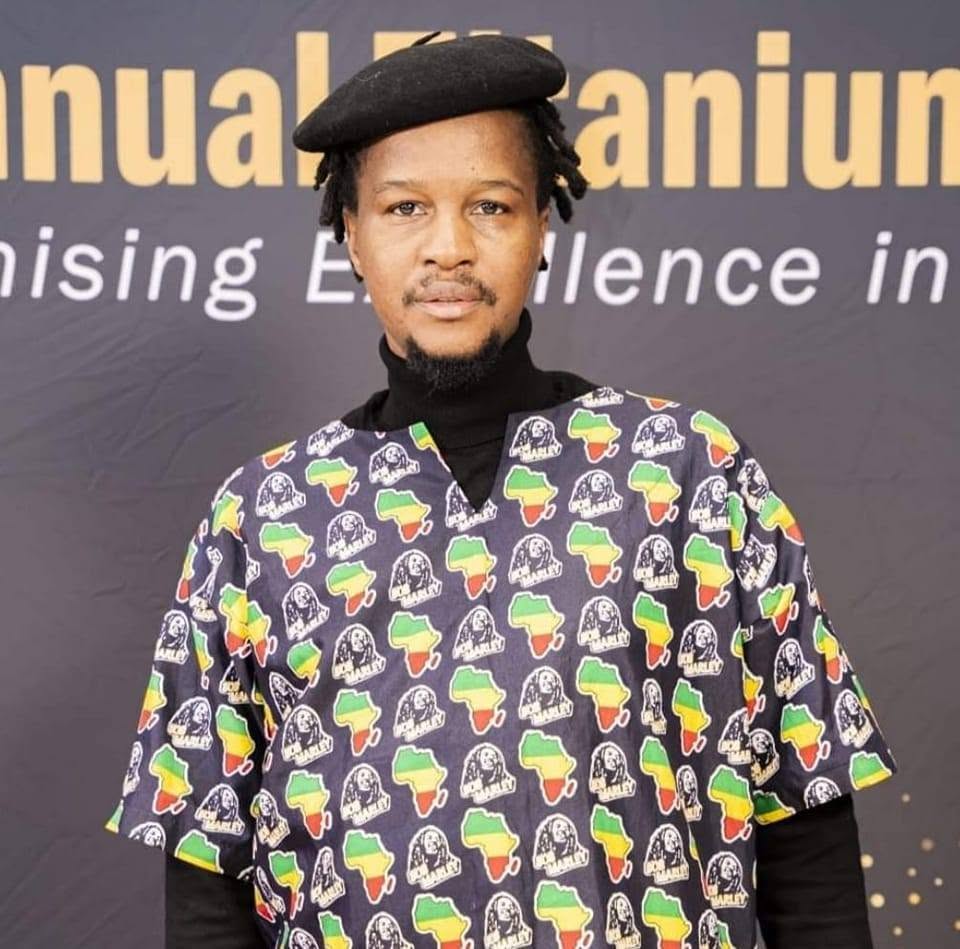
Early proponent · organiser
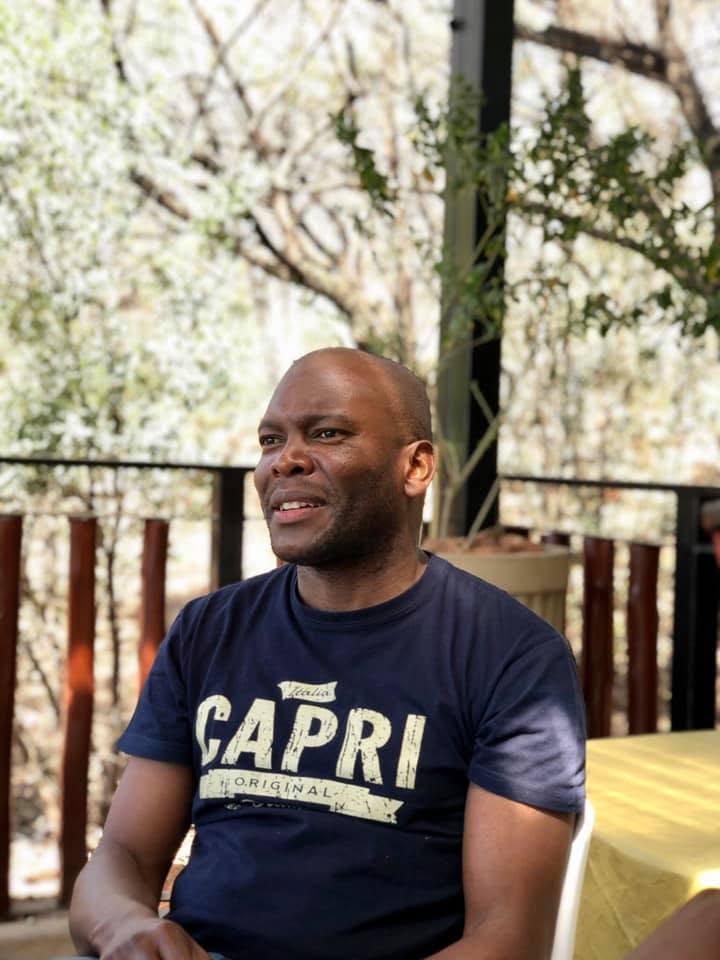
Early proponent · researcher
Note on the archive: Many other contributors played a significant role in the formation of eKasi Theologies, even though not all of them are named here.
Mentors & intellectual companions
These figures are named as critical mentors. Their work kept theological reflection in conversation with liberation, community and the realities of city life.
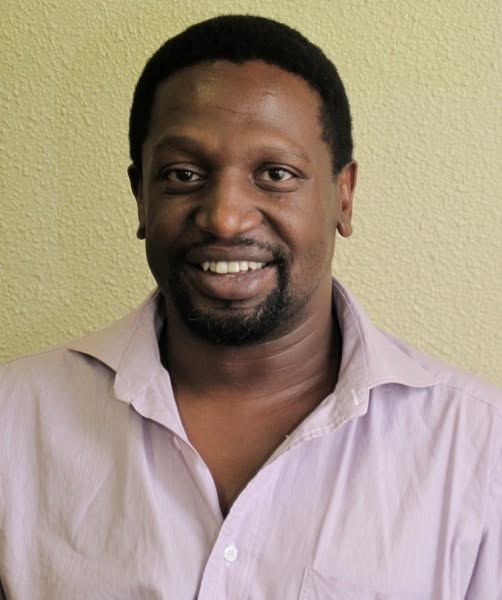
1968–2019 · Director, Centre for Public Theology, UP
The late Professor Vuyani Shadrack Vellem offered prophetic insight and intellectual solidarity. As founder of VukaniBantu and a pioneer of Saturday Religiosity, he connected eKasi work to the global Black radical tradition and the memory of James Cone.
Archive connection Protest & Confessing models · VukaniBantu · 2018
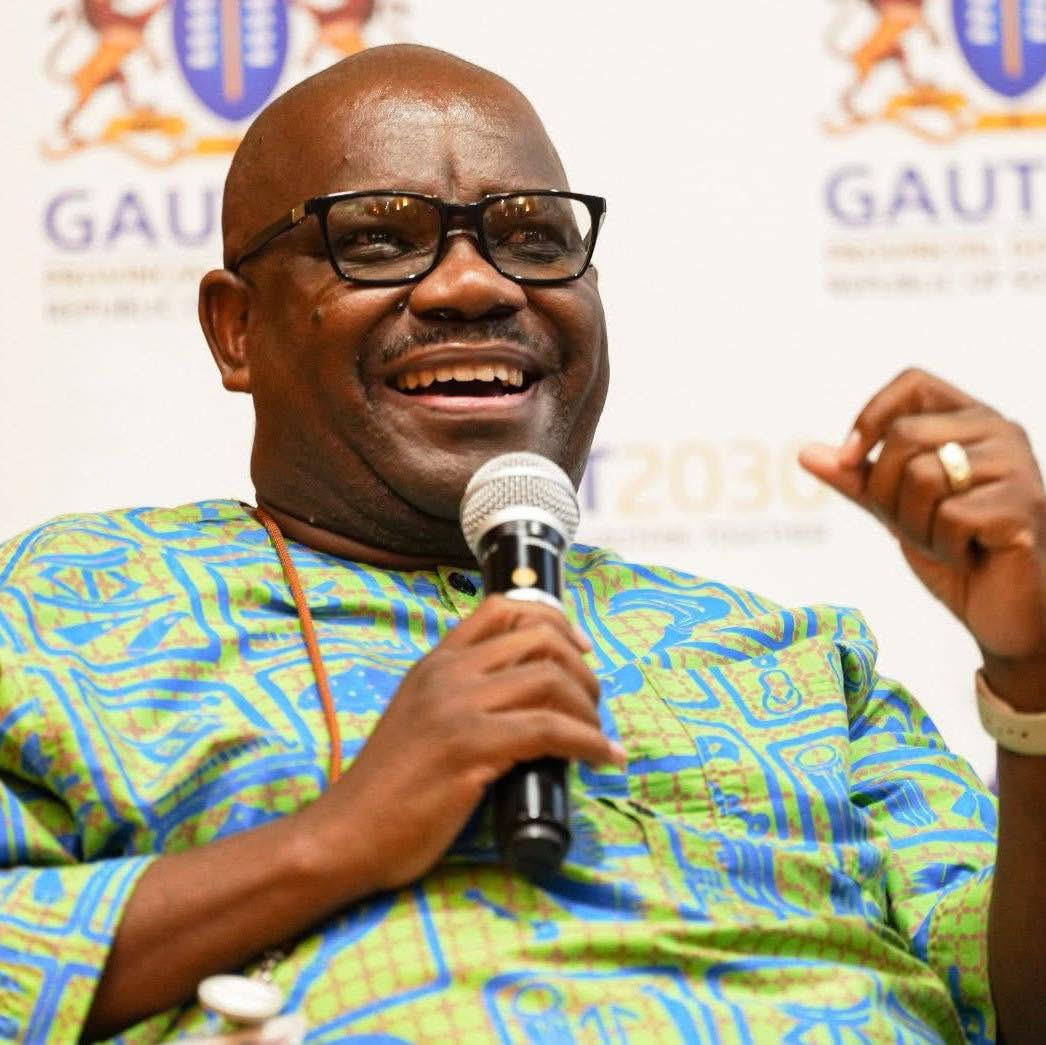
Head of Human Sciences, UNISA
Professor Rothney Tshaka’s mentorship situated the future relevance of Black Theology in contemporary material struggles for economic freedom and land restoration.
Archive connection Black Theology · economic freedom · land restoration
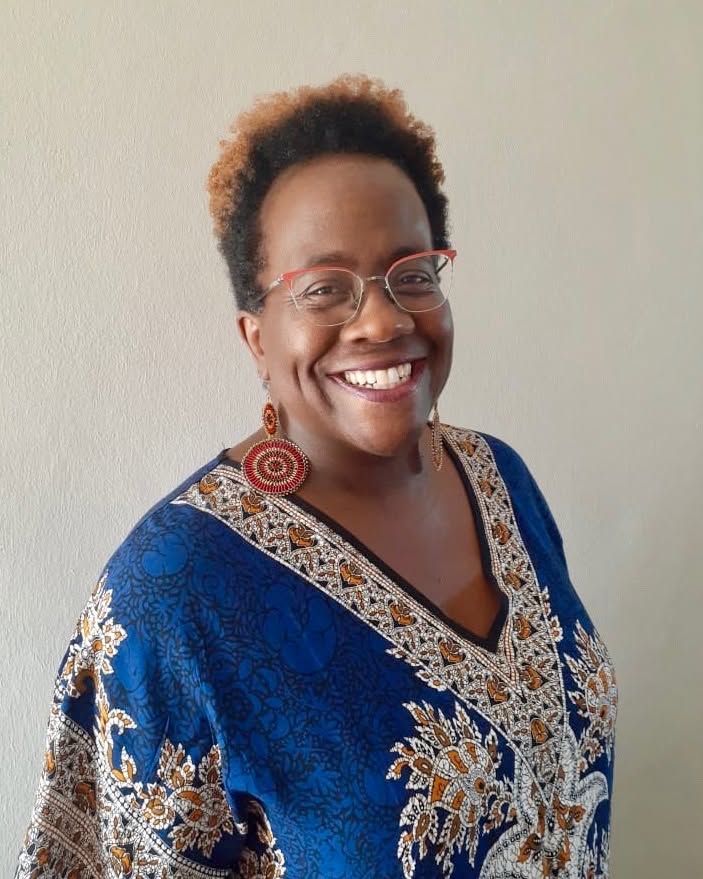
Practical theologian · Cornerstone Institute & UP
Dr. Selena Headley brings practical theology into conversation with the changing realities of urban Africa. As lead of Urban Africa 2050, she helps hold theological reflection close to the futures and struggles of city life.
Archive connection Practical theology · Urban Africa 2050
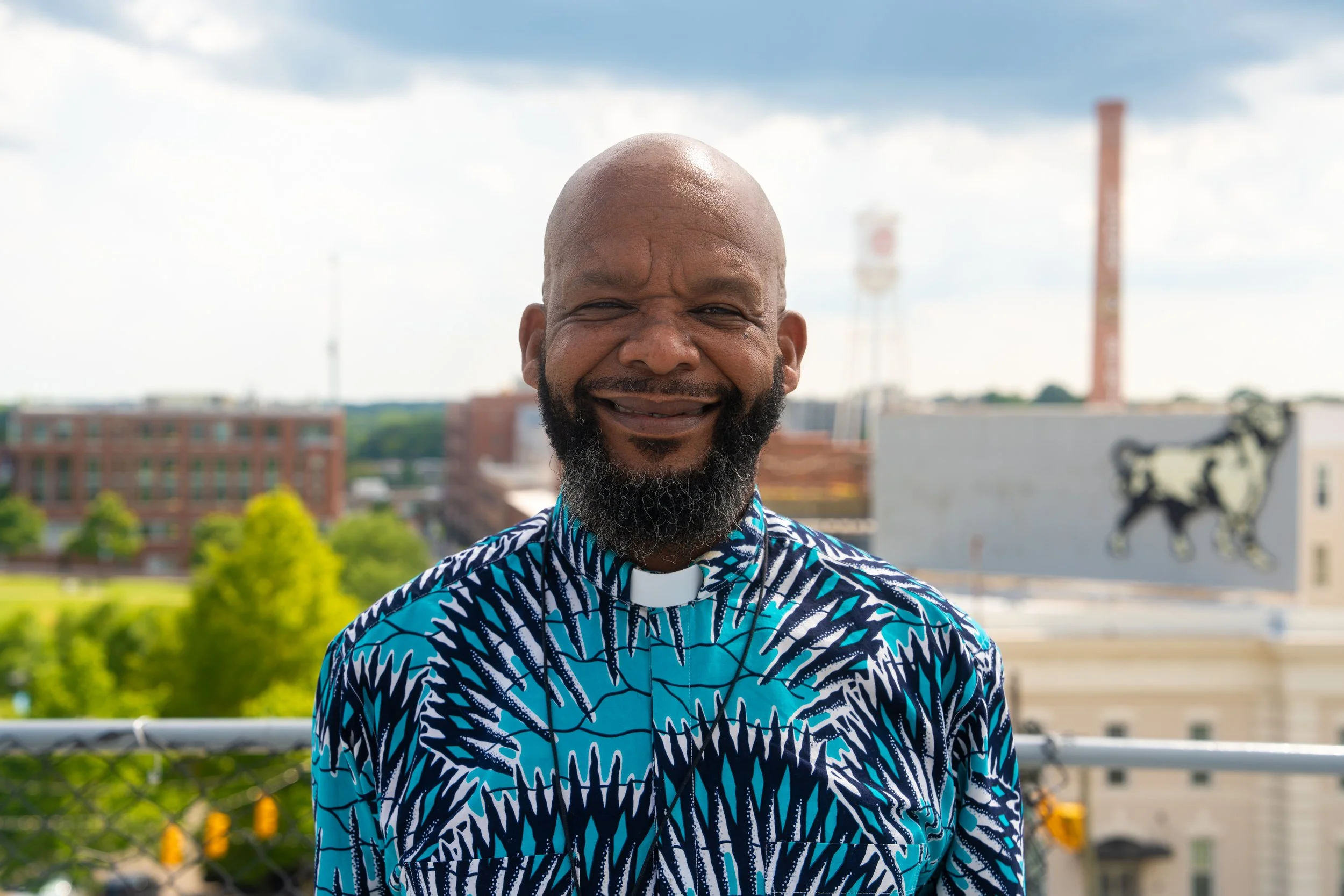
Rector, St. Matthew’s Episcopal Church · Hillsborough, NC
Mawethu’s contribution to eKasi Theologies is Shit Theology, a theology of sanitation. While working at The Warehouse Trust, he led a campaign for dignity and sanitation in informal settlements around Cape Town, bringing theological reflection into conversation with the material conditions of everyday life. He moved to the US in 2015 with his wife and two sons; St. Philip’s Episcopal Church in Durham sponsored him for ordination. He enjoys running and soccer.
Contribution Shit Theology · sanitation · human dignity
Genealogy / liberation theologies
eKasi Theologies does not present mentorship as a hierarchy that replaces community knowledge. Instead, it draws from liberationist traditions while holding academic insight and township experience in active conversation.
Faith is read from the lives of poor and oppressed communities, naming unjust social structures as a theological concern.
Black theologians insist that Christian faith must speak to Black dignity, freedom and resistance to racism.
Black women’s voices insist that liberation must confront the entanglement of race, gender, class and embodied life.
Black agency, self-definition and the refusal of white authority become vital resources for struggle and faith.
Black Christians bring Black Consciousness into conversation with the struggle against apartheid and racial capitalism.
The Kairos Document names apartheid as a theological crisis and rejects a church theology that postpones justice.
A township-rooted praxis carries these liberating traditions into the realities, questions and struggles of Black life in eKasi.